
It’s 2 a.m., and I can’t sleep. My mind is swirling with anxious thoughts. Unpaid bills. The unwashed dishes in the sink. The difficult conversation I’ve been avoiding. I reach for the notepad on my desk and my thoughts pour out in a confused jumble.
In the morning comes clarity. I read through my list and try to sort and categorize my worries. Some are tiny, some are major. Will I ever finish the laundry? Am I in the right job? Am I truly present at home? Do I really belong, or am I just pretending? What can we do to ensure the safety of our brethren in Eretz Yisroel and around the world?
I try to set aside my anxious thoughts and focus on the areas that are in my control. Where can I make a difference right here, right now? Pack a lunch. Send the kids off with a kind word, a smile and a hug. Sweep the floor. It’s the small things, the tiny battles, that slowly expand my capacity to deal with the bigger things…
Lessons from Yitzchak’s Wells
Conflict is the theme of this week’s parshah, Toldos, the only parshah in which Yitzchak is the main character. In previous parshiyos the story revolves around him but the action is done by others. Toldos is the only parshah where we see Yitzchak in action, taking the lead.
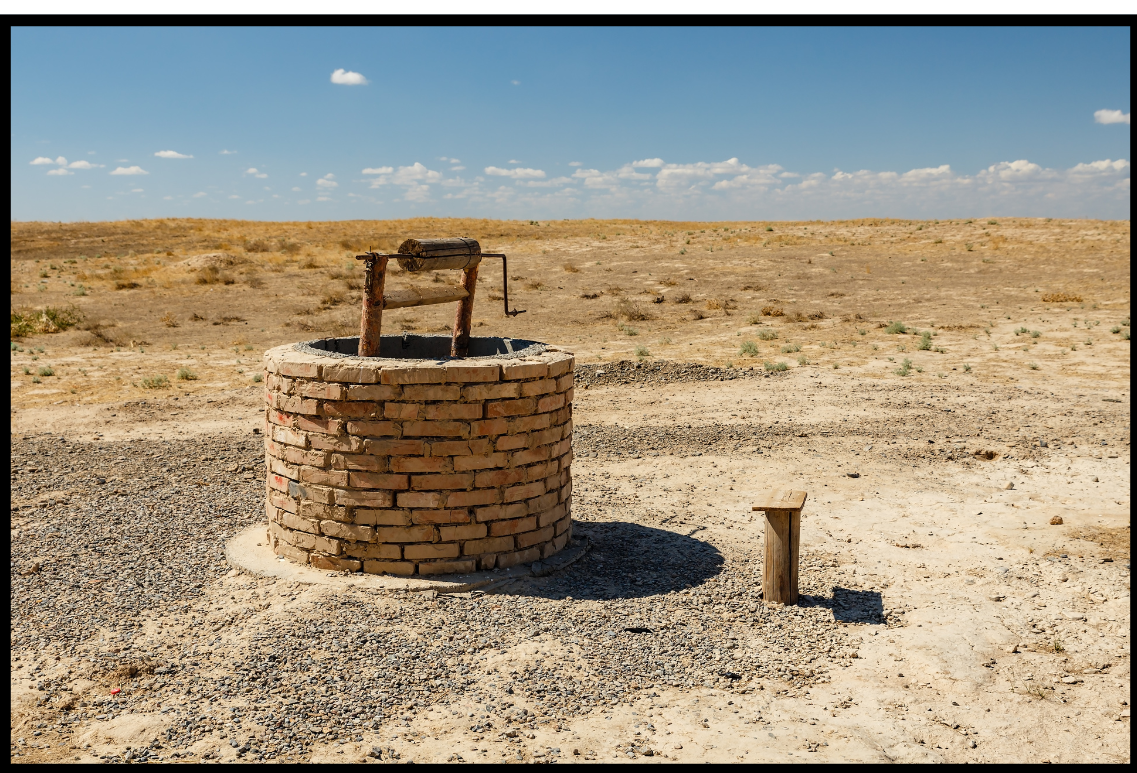
And what does he do? His primary occupation is digging wells. He redug the wells that his father Avraham had dug, which the Pelishtim had stuffed up. Then his servants dug a new well, and the Pelishtim fought over this one, too. It was named Esek, conflict. They dug another disputed well which was called Sitna, hatred. Then they dug a third well, which was not disputed. Yitzchak named it Rechovos, expansion. “For now Hashem has granted us ample space, and we will flourish in the land.”
Yitzchak’s avodah of digging wells is a symbol of the avodah we’re meant to do in this world. The fresh water is already there, but it’s buried under layers of rock and dirt. It takes effort to reach the mayim chaim, the spiritual riches hidden deep within. We have to wrestle with our habits, our moods, our burdens, slowly clearing away the blockages that keep our deepest self from flowing.
Yitzchak’s name comes from tzchok, laughter, hinting at the supreme joy that results from this type of digging, from uncovering holiness in the places where we feel most stuck. In the era of Geulah, we will turn to Yitzchak and say, “You are our father.” His avodah of lifting the world upward is the primary purpose of the soul’s journey to earth: to reveal the light that has been hidden all along.
Three Wells, Three Types of Avoda
The three wells Yitzchak dug—Eisek, Sitna, and Rechovot—correspond to three types of avodah mentioned in Shema: b’chol levavcha, b’chol nafshecha, and b’chol me’odecha, with all your heart, with all your soul, and with all your might. The first two wells that were stuffed up represent the first two Batei Mikdash, which were destroyed. The third well, Rechovos, which brought spaciousness and peace, reflects the third Beis Hamikdash, which will stand forever.
The levels of b’chol levavcha and b’chol nafshecha represent the work we do with our intellect and emotions, using the revealed powers of our soul. This avodah relies on the mind to influence the heart, and therefore it’s limited by our human capacity. It often involves struggle—sometimes we succeed, sometimes we stumble. That’s why these stages of avodah are called Eisek and Sitna—conflict and enmity. They’re difficult, bitterly fought battles.
But b’chol me’odecha involves tapping into the soul’s hidden, innermost power, the yechidah. On this level, there is no struggle: the negative forces fall away on their own, and the holiness within us spreads outward. This is why the third well was called Rechovot—an expanded space, free from conflict, where blessing and peace can flourish.
The struggles that keep us up at night are our deeper wellsprings trying to emerge, pushing past our resistance. The key is to get ourselves out of the way. To stop putting limits on ourselves, to stop believing the stories we tell ourselves about what we could be or should be. Just allow the soul take the lead.
From Eisek to Rechovos—5 Key Takeaways
- Our inner well is already full. We already have within us all the spiritual strength that we need. Our avodah is to release the blockages that keep us stuck.
- Expect the struggle. When we feel torn or fractured, that doesn’t mean we’re doing something wrong. It’s normal to feel resistance when we grapple with our natural habits.
- Don’t fight darkness. The true resolution of conflict is when we realize that we didn’t create the darkness. It was there before we ever got here. We were sent down here precisely because we have the strength to elevate the darkness. It has no power over us.
- Push past your comfort zone. Even a small stretch—learning a bit longer than usual, giving more tzedakah than we think we can afford, being kind even when we’re in a lousy mood—allows us to reach the deepest places beyond logic.
- Lean into the joy. How will you know when you’ve struck the mayim chayim? When you feel a deep, effervescent joy bubbling up from within. True Geulah is a sense of inner spaciousness and light, which spreads out and embraces others.
Based on the Maamar VeYitzchak Ba, 5722